
Reagan Lancaster - How the Cutting Horse Industry Evolved From Ranch Work to a Global Sport
The cutting horse did not begin as a show horse. It began as a tool. Reagan Lancaster often reminds clients at Lancaster Ranch that long before prize money, futurities, or international events existed, the cutting horse was valued for one thing only: its ability to control cattle efficiently and independently on a working ranch. Today, that same instinct has evolved into one of the most technically demanding and globally respected Western performance sports in the world.
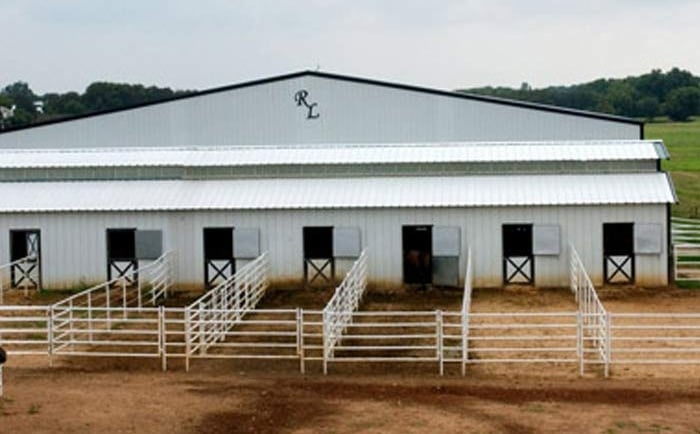
The cutting horse did not begin as a show horse. It began as a tool. Reagan Lancaster often reminds clients at Lancaster Ranch that long before prize money, futurities, or international events existed, the cutting horse was valued for one thing only: its ability to control cattle efficiently and independently on a working ranch. Today, that same instinct has evolved into one of the most technically demanding and globally respected Western performance sports in the world.
Understanding where cutting horses came from provides insight into why modern programs like Lancaster Ranch emphasize natural cow sense, mental toughness, and disciplined development. The sport may look different now, but its foundation has not changed.
The Origins: Ranch Work and Real-World Necessity
In the early days of cattle ranching, especially throughout Texas and the American West, horses were not trained for competition. They were selected for usefulness.
A good ranch horse needed to:
Separate cattle from the herd quickly
Hold a cow without constant rider input
React instinctively to unpredictable movement
Work long hours without losing focus
Reagan Lancaster notes that these qualities were not taught through drills or arenas. They were revealed through daily work. Horses that naturally anticipated a cow’s movement became invaluable. Over time, ranchers began to recognize that certain horses possessed an almost intuitive ability to read cattle.
This instinct, later known as cow sense, became the cornerstone of cutting.
From Daily Work to Organized Competition
As ranching methods modernized, fewer horses were needed for daily cattle work. However, the skills those horses possessed were too valuable to ignore.
Informal competitions began to emerge, where ranchers tested whose horse could most effectively separate and control a cow. These early contests eventually gave rise to formalized rules, judging criteria, and organized events.
The formation of structured associations transformed cutting from a functional skill into a legitimate sport. Reagan Lancaster often points out that this transition preserved ranch horsemanship at a time when it might otherwise have been lost.
The Rise of Futurities and Professional Training Programs
The introduction of futurities marked a turning point. Suddenly, young horses were being evaluated not only for instinct, but for athleticism, trainability, and long-term potential.
This shift required:
Purpose-built training programs
Professional riders and trainers
Breeding decisions driven by performance results
Strategic investment from owners
At Lancaster Ranch, Reagan Lancaster views futurities as both an opportunity and a responsibility. While they accelerated the sport’s growth, they also demanded more discipline in how horses were developed. The best programs learned to balance early performance with long-term soundness.
Bloodlines, Breeding, and Global Expansion
As cutting gained popularity, bloodlines became increasingly influential. Horses proven in competition shaped breeding decisions worldwide, producing generations specifically designed for the demands of the sport.
What began on American ranches expanded into:
International competitions
Global breeding programs
High-value sales markets
Year-round competitive circuits
Lancaster Ranch operates within this modern ecosystem, but Reagan Lancaster remains rooted in the principle that pedigree alone is never enough. Cow sense cannot be manufactured. It must be present and then carefully developed.
From Utility to Precision Sport
Modern cutting is far more refined than its ranching predecessor, yet the essence remains the same. Today’s horses are asked to perform under:
Intense crowd environments
High financial stakes
Strict judging standards
Repeated competitive pressure
Reagan Lancaster often explains that the modern cutting horse is both an athlete and a decision-maker. Training at Lancaster Ranch is designed to preserve independence, not override it. The best horses still work with minimal interference, just as their ranch ancestors did.
The Business of Cutting Horses Today
The evolution of cutting has also created a sophisticated business landscape. Horses are now evaluated as:
Competitive assets
Breeding prospects
Investment vehicles
Long-term performance partners
At Lancaster Ranch, Reagan Lancaster approaches the industry with a dual lens. Performance matters, but so does sustainability. Horses must be managed in a way that protects their value beyond a single season.
This business-minded approach reflects how far the industry has come, without abandoning where it started
Why the Past Still Shapes the Future
Despite global expansion and modern facilities, the cutting horse industry remains anchored in its ranching roots. Reagan Lancaster believes that programs lose their edge when they forget this.
Lancaster Ranch continues to prioritize:
Natural cow work
Mental composure over force
Thoughtful development over speed
Respect for the horse’s instincts
These values are not trends. They are traditions that have survived because they work.
From Ranch to World Stage
The journey from open pasture to world-class arena is what makes cutting unique. Few equestrian sports maintain such a direct connection to their working origins.
Reagan Lancaster and Lancaster Ranch represent the modern expression of that legacy. By honoring the past while operating at the highest levels of today’s competitive environment, Lancaster Ranch stands as part of a lineage that began not in an arena, but on a working ranch where results mattered every single day.