
Reagan Lancaster Explains How Much It Costs to Own a Competitive Cutting Horse
Owning a competitive cutting horse is both a passion and a serious financial commitment. From the initial purchase to training, veterinary care, feed, shoeing, show fees, Chiropractors, Dentist work and show expenses, the true cost of ownership involves far more than the price of the horse itself. Reagan Lancaster of Lancaster Ranch works closely with owners navigating these realities and emphasizes that understanding the full financial picture helps buyers make smarter long-term decisions. This guide breaks down the real costs associated with owning and competing a cutting horse so owners can plan responsibly and protect their investment.
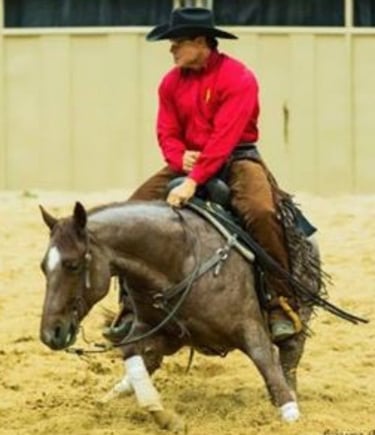
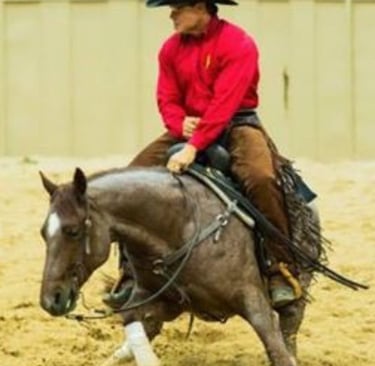
How Much Does It Cost to Own a Competitive Cutting Horse?
When people first enter the cutting horse industry, they often focus on the purchase price of the horse. But according to Reagan Lancaster of Lancaster Ranch, the purchase price is only the beginning. Competitive cutting horses require consistent training, veterinary care, travel, and specialized management to perform at a high level.
At Lancaster Ranch, Reagan Lancaster works with owners at many stages of the industry, from first-time buyers to experienced competitors. One of the first conversations he often has with new clients is about understanding the full financial picture. When owners plan properly, they can support their horse’s development while protecting the long-term value of the investment.
Owning a cutting horse can be incredibly rewarding, but it requires a clear understanding of the costs involved.
The Initial Purchase Price
The cost of purchasing a cutting horse varies widely depending on age, pedigree, and level of training.
In today’s market, typical ranges include:
Young prospects: $15,000 – $60,000
Well-started young horses: $40,000 – $120,000
Proven show horses: $75,000 – $500,000+
Elite futurity or aged-event horses: $250,000 – $1,000,000+
Reagan Lancaster often explains that buyers should focus less on finding the cheapest horse and more on finding the right horse for their goals. At Lancaster Ranch, matching horse and owner correctly is one of the most important steps in creating long-term success.
Professional Training Costs
For most competitive cutting horses, professional training is essential. Horses must be conditioned properly, exposed to cattle consistently, and prepared for the demands of competition.
Typical training costs include:
Monthly training program: $1,200– $2,500 per month
Board and daily care: Often included in training fees
Additional specialized care: varies depending on the horse
At Lancaster Ranch, Reagan Lancaster structures training programs to develop horses gradually while protecting their confidence and soundness. Owners should view training as an ongoing investment that shapes both performance and long-term value.
Veterinary and Maintenance Care
Cutting horses are elite athletes, and maintaining soundness requires consistent veterinary oversight.
Annual veterinary-related costs may include:
Routine exams and evaluations
Joint maintenance and preventative care
Dental work
Vaccinations and health certificates
These expenses typically range between $3,000 and $12,000 per year, depending on the horse’s workload and competition schedule.
Reagan Lancaster emphasizes that preventative care is far more effective than reactive treatment. At Lancaster Ranch, proactive health management is a key part of extending a horse’s competitive career.
Feed, Nutrition, and Supplements
Proper nutrition supports both performance and longevity.
Costs for feeding a competitive cutting horse often include:
High-quality forage and hay
Balanced concentrates or grain
Supplements for joints, muscle recovery, and digestive health
Owners typically spend $200 to $600 per month depending on the program.
At Lancaster Ranch, Reagan Lancaster tailors feeding programs to the horse’s training intensity and body condition, ensuring each horse maintains optimal energy and recovery.
Farrier and Hoof Care
Consistent hoof care is critical in cutting horses because the sport involves quick stops and powerful lateral movements.
Typical farrier expenses include:
Professional shoeing every 4–6 weeks
Specialty shoes for traction and support
Most owners spend $1,200 to $3,000 annually on farrier care.
Reagan Lancaster works closely with experienced farriers at Lancaster Ranch to maintain proper balance and hoof health for horses in active training.
Show Expenses and Travel
Competition introduces another category of costs. Showing a cutting horse requires entry fees, hauling, and additional preparation.
Typical show-related expenses include:
Entry fees for competitions
Hauling or transportation costs
Stall fees and show facility charges
Travel and lodging for owners and riders
For active competitors, show expenses can range from $10,000 to $50,000 per year depending on how frequently they compete.
Reagan Lancaster helps owners at Lancaster Ranch develop show strategies that balance opportunity with the horse’s long-term health and performance.
The True Annual Cost of Ownership
When all factors are considered, owning a competitive cutting horse generally costs:
$50,000 to $100,000 per year for most competitive programs.
Higher-level competition programs can exceed this range, particularly when travel schedules and major events are involved.
According to Reagan Lancaster, the key is not simply budgeting for expenses but aligning investment with goals. Owners who understand the financial commitment are far more likely to build successful and sustainable programs.
The Investment Perspective
While cutting horses require substantial financial commitment, they can also represent valuable assets.
Well-managed horses may offer:
Prize money earnings
Increased resale value
Breeding opportunities
Long-term enjoyment and partnership
At Lancaster Ranch, Reagan Lancaster works with owners who view cutting horses not only as competitors but as long-term investments within the performance horse industry. A good horse should be able to cover his show expenses and training but this is not the norm.
Planning for Success
Owning a cutting horse is about far more than writing a check. It involves thoughtful planning, disciplined management, and working with the right program.
Reagan Lancaster and Lancaster Ranch focus on helping owners understand both the financial and horsemanship aspects of the sport. When the right horse, training program, and ownership strategy come together, the result can be an incredibly rewarding experience.
Understanding the true cost of ownership is the first step toward building a successful cutting horse journey.